Exploring the Future of Developer Relations through AI Agents: A Look at Devin by Cognition Labs
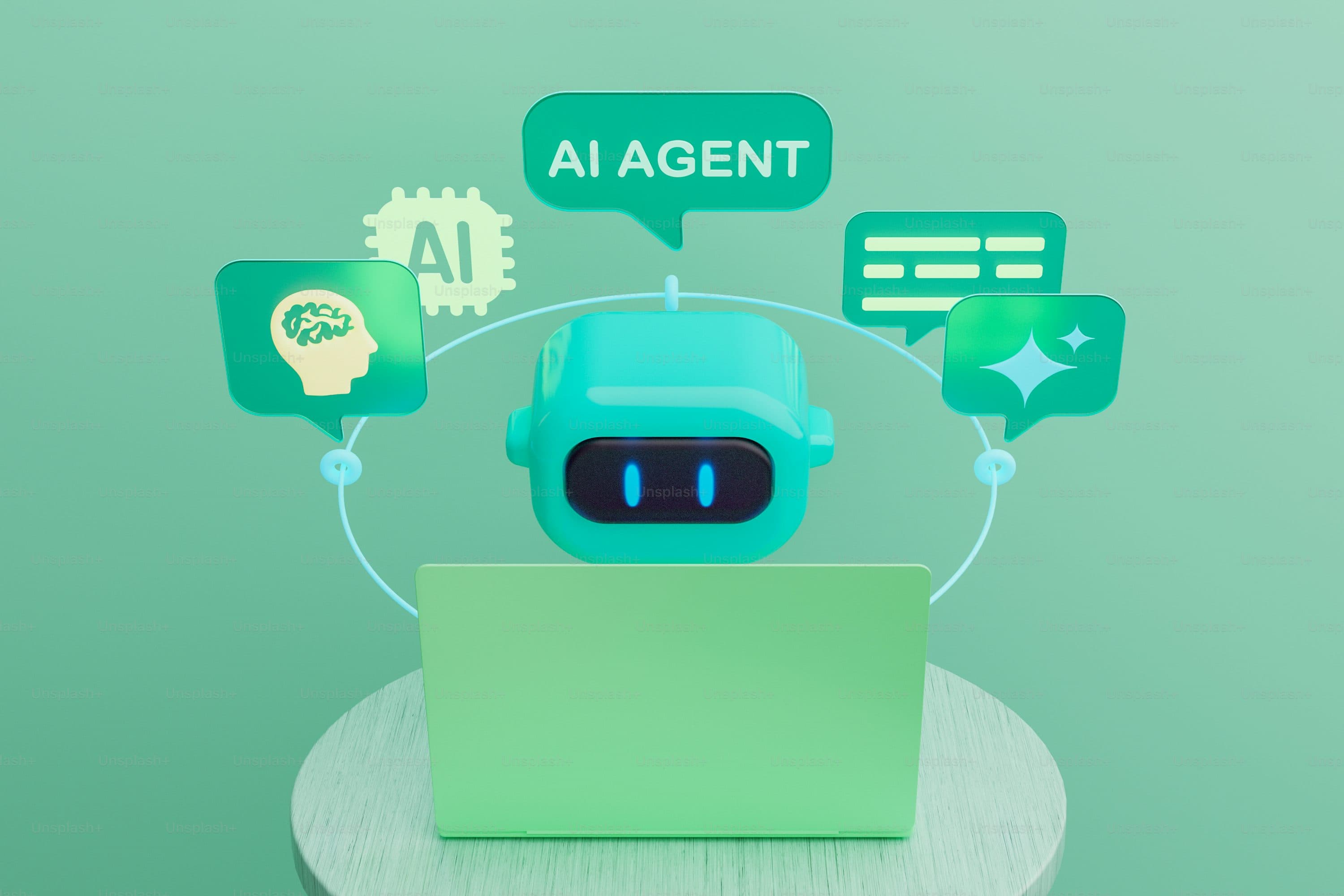
As technology continues to evolve, the concept of what a "developer" does is being redefined. Among the emerging trends, AI agents stand out as a transformative force. These are not just tools that assist developers, but autonomous entities capable of completing entire workflows. One of the most talked-about innovations in this space is Devin, the AI software engineer created by Cognition Labs.
Why AI Agents?
AI agents represent a future where developers can offload routine or complex tasks to autonomous systems. From writing and debugging code to deploying applications, these agents can streamline the development process and allow engineers to focus on higher-level problems. This shift has massive implications for developer productivity, team dynamics, and even the learning curve for new engineers.
Why Devin by Cognition Labs?
Devin positions itself as the first fully autonomous AI software engineer. It is designed not only to understand and generate code but also to interact with real development environments think shell, editor, browser and complete end-to-end tasks. The idea of an AI assistant that can collaborate with human engineers in a meaningful way is both groundbreaking and slightly controversial.
That controversy presents an opportunity for Developer Relations (DevRel) to step in not just as advocates, but as bridges between the product and its potential users.
Approaching DevRel for Devin: First Steps
1. Understand the Developer Personas
The first step would be to map out the various kinds of developers who might use Devin:
Early adopters: tech-savvy, experimental, often active on GitHub and Twitter.
Productivity seekers: developers at startups or solo builders looking to move faster.
Enterprise engineers: who will be more cautious and need to be convinced of security, reliability, and ROI.
2. Product Immersion and Use-Case Mapping
Spend time with the product to:
Understand how it integrates with common dev workflows.
Test limitations and gather real-world use cases.
Identify possible extensions or developer-facing APIs.
3. Build the Community Infrastructure
Create spaces for early users (e.g., a Discord or forum).
Launch a "Devin Builders Club" or similar beta group.
Develop community programs that reward feedback, tutorials, and contributions.
4. Create Educational and Evangelism Content
Developer guides: "How to Build a Web App with Devin"
YouTube demos and Twitter threads showing practical use cases.
Behind-the-scenes technical content to build trust and transparency.
5. Lead with Inspiration
Host community events, hackathons, and webinars.
Share user success stories and projects built with Devin.
Encourage experimentation and sharing via templates, challenge prompts, and more.
As AI agents like Devin become more capable, the need for effective Developer Relations will only grow. DevRel in this space is not just about documentation or support it's about demystifying the technology, managing expectations, and cultivating a thriving developer ecosystem. By stepping into this role early, we have the chance to help shape how these technologies are used, trusted, and understood by the broader community.